
Fireplace Cleaning: A Quick Guide for Homeowners
Americans are wiping their schedules clean! 21% of men and 49% of women perform housework on an average day. Some people spend hours cleaning their homes, getting into all of the nooks and crannies.
In our years of cleaning Waco homes, we’ve learned that you can save time by prioritizing the essential areas. Cleaning your fireplace will make it seem spotless, and you can avoid a devastating fire. However, fireplace cleaning is more complicated than it may seem.
What should you remove from your fireplace? Can you use water or soap to clean, and if so, how? What should you do about your chimney?
Answer these questions and you can save time while keeping your fireplace beautiful for years to come. Here is your quick guide.
Remove the Ashes
Ashes can stain the inside of your fireplace, make it harder to light fires, and damage clothes and fireplace tools. After every fire, you need to let the ashes cool completely. If you want to cool them down faster and put out any lingering flames, you can use a fire blanket to smother them.
Lay a rug in front of the fireplace to catch any spilled ashes. Use a shovel to scoop the ashes up and deposit them in a metal bucket. You can throw them away in a metal trash can or mix them into your garden soil.
Mix Ingredients for a Cleaning Solution
If you have stains or grime in your fireplace, you can make a simple cleaning solution. Add cool water to a spray bottle, then fill two buckets with a gallon of warm water. Mix two tablespoons of dishwashing liquid into one bucket and add one cup of white vinegar to the other.
Spray your fireplace with a little water, then dip a brush into the soapy water and scrub the wet area. If you’re finding it hard to remove the soot, you can sprinkle the area with some table salt.
Dip a sponge into the vinegar solution and rinse the area you’ve cleaned. Go back and forth between your brush and sponge until your firebox is spotless.
Incorporate house cleaning tips into your fireplace cleaning. Make a routine for cleaning your house, and include cleaning the fireplace as an item on your schedule. Purchase tools after reading reviews from other homeowners.
Clear Your Chimney
When people think about fireplace safety, they often focus on their fireplace to the exclusion of their chimney. However, a fire in your chimney can spread to the rest of your house or cause it to collapse.
Take a look inside it with a flashlight. If you notice thick layers of creosote or grime, you need to clean your chimney.
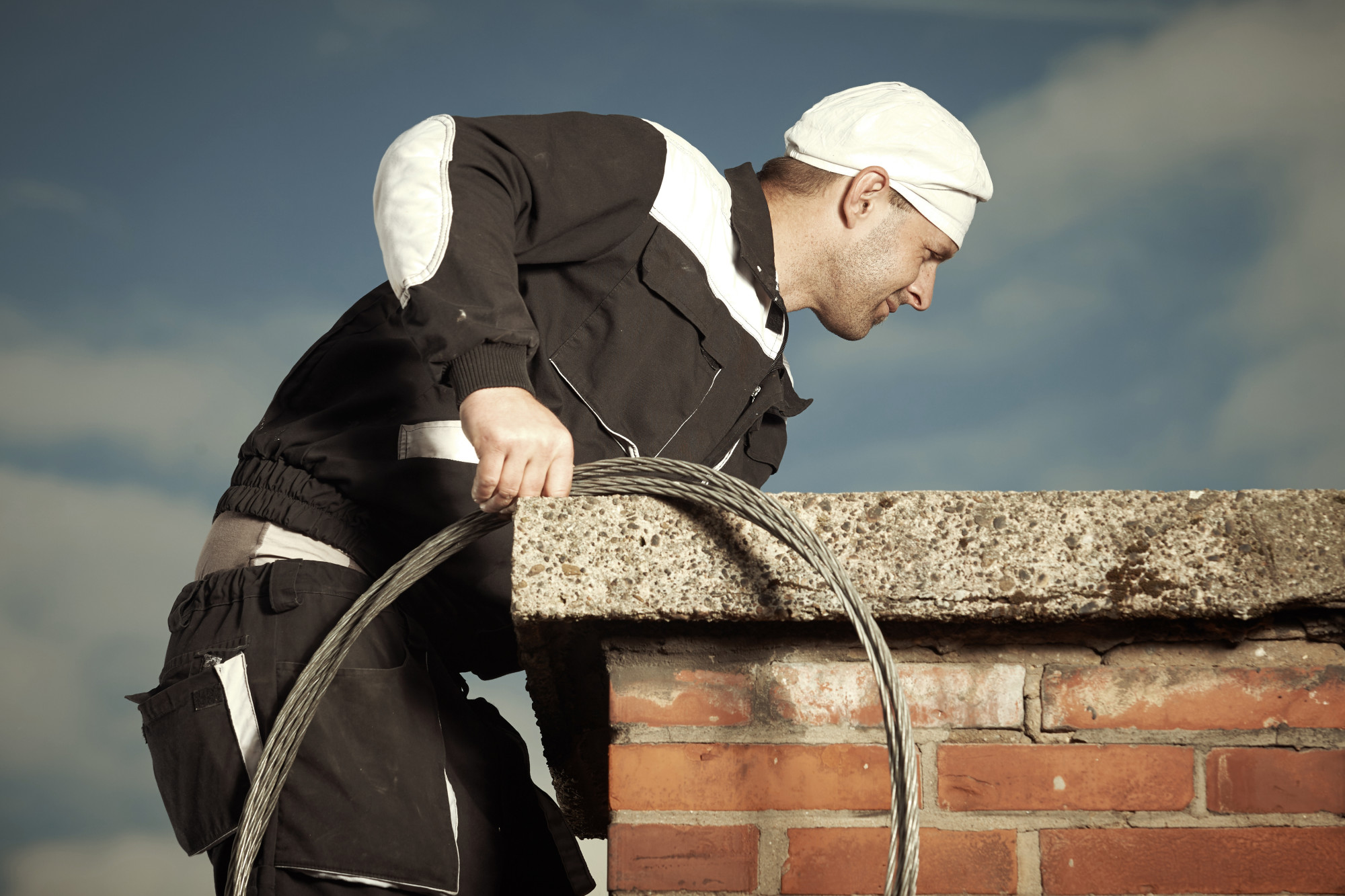
You can clean it by yourself, though you will need special brushes and you may need to go on your roof. If you’re not comfortable doing this, you can hire professional cleaning services.
Understand Fireplace Cleaning Principles
Correct fireplace cleaning requires a few steps. Remove ashes from your fireplace with a shovel and metal bucket. Be very careful that you do not drop ashes on the floor or stain other parts of your fireplace.
You can clean the firebox with water, vinegar, and soap. Do not use harsh chemicals or products you buy from stores. Investigate your chimney and call a sweeper if you start to see grime and creosote build-up.
You don’t have to go far for great fireplace cleaners. Sally’s Maid Service serves the Waco, Texas area. Contact us today.
Step-by-Step Fireplace Cleaning for Waco Homeowners
Before You Start: Safety First
Never clean a fireplace that has been used within the last 24 hours. The interior retains heat long after the fire goes out, and ash can reignite if disturbed while still hot. Lay down a drop cloth or old newspapers in front of the fireplace to catch debris, and wear gloves and a dust mask — fine ash particles are irritating to lungs and skin.
Cleaning the Firebox
Start by removing the grate and andirons. Shovel out loose ash into a metal bucket (never plastic — embers can persist for days). Leave about an inch of ash on the floor of a wood-burning fireplace; this actually helps insulate future fires and makes them easier to start. Use a stiff-bristled brush to scrub the firebox walls, loosening creosote and soot. For stubborn deposits, a paste of baking soda and water applied with a brush works without introducing harsh chemicals.
Cleaning the Glass Doors
If your fireplace has glass doors, soot film is inevitable. The easiest DIY solution: dampen newspaper, dip it in fine ash, and rub the glass in circular motions. The mild abrasive in wood ash cuts through soot without scratching. Follow with glass cleaner and a clean cloth for a streak-free finish.
When to Call a Professional Chimney Sweep
While you can handle surface cleaning yourself, chimney inspection and sweeping should be done by a certified professional at least once a year — ideally before the start of burning season. In Waco, many homeowners light their first fire around late October when temperatures finally drop from the long summer. Schedule your chimney inspection in September to beat the rush.
A professional chimney sweep checks for:
- Creosote buildup: This flammable byproduct of wood burning is the leading cause of chimney fires. Even moderate buildup is a fire hazard.
- Structural damage: Cracked flue liners, deteriorating mortar, and damaged caps can allow heat and gases to enter your home’s walls.
- Animal nests and debris: Birds, squirrels, and raccoons commonly nest in unused chimneys in the Waco area, creating blockages and fire risks.
Fireplace Maintenance Between Deep Cleans
Good maintenance habits extend the time between deep cleanings and keep your fireplace functioning safely:
- Burn only seasoned hardwood — it produces less creosote than softwood or green wood
- Use a fireplace screen to prevent sparks from escaping
- Keep the damper open until the fire is completely out and ashes are cool
- Install a chimney cap to keep out rain, debris, and animals
For overall home cleanliness — including the soot and ash dust that inevitably migrates from fireplaces to surrounding rooms — Sally’s Maid Service provides thorough cleaning for Waco homes during and after fireplace season. A professional clean after your last fire of the year ensures you’re not living with residual ash and soot until next winter.
Share this article
Related Posts














Follow us
A quick overview of the topics covered in this article.